

The Edge for October 2026
We asked N.J. Chamber members to tell us their strategies for managing a team. How do they motivate and empower employees without micromanaging or discouraging them? See their answers below.
An open-door policy isn’t enough
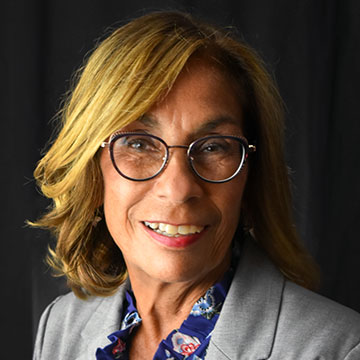 Leadership starts with showing up and listening. I’ve always believed that having an open-door policy isn’t enough. You have to create reasons for people to walk through it. At Bergen New Bridge, I host “Dine with Debbie” forums for all employees to meet with me. I also hold town forums and write a weekly CEO letter for all employees. We celebrate the wins with a “CEO I made a difference” program. We’ve invested in mentorship and leadership development programs, and developed academic partnerships for internships. These aren’t just programs. They’re opportunities to build relationships, discover talent, hear new ideas, and help people grow into leaders.
— Deborah Visconi, President & CEO, Bergen New Bridge Medical Center
Invest in people, and the results will come
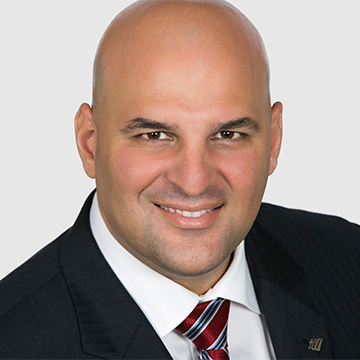 The most important part of leadership is building talented teams around you. It’s about the long game: when you invest in people, the results come. In my 23 years at Bank of America, I have always championed mentorship. When young people have access to mentors and real career experiences, the impact reaches far beyond the individual.
— Alberto Garofalo, President, Bank of America New Jersey
Combine the ‘why’ and the ‘how’
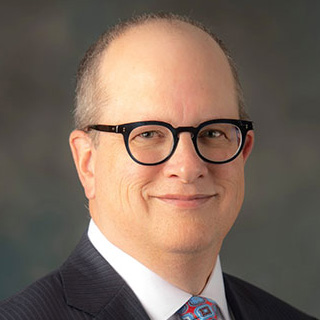 Effective leadership begins by helping individuals understand why we do our work. I focus on creating a shared vision, clear mission, and values that guide decision-making and connect individual contributions to a larger goal. By combining the “why” with the “how,” with clearly defined roles and responsibilities, I empower my teams to strive for excellence without needing micromanagement. Together, we experiment and iterate to ever higher levels of success. Recognizing achievements and expressing gratitude for their efforts fosters a thriving organization.
— Michael Zwick, Senior Vice President for Research, Rutgers University
Establish trust and encourage independence
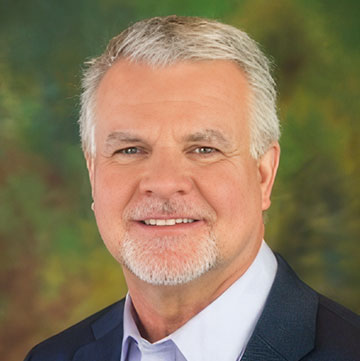 The most effective leaders don't simply manage performance; they build confidence, encourage independence and empower people to succeed on their own. My approach is to establish trust, give team members ownership of their work and create an environment where they feel comfortable making decisions and learning from mistakes. I believe in being accessible and providing guidance when needed, but also knowing when to step back and let people find their own way. Ultimately, my greatest satisfaction as a manager comes from watching people grow in confidence, develop their own leadership skills and accomplish things they may not have believed they could.
— Randy Stodard, Chief Marketing Officer, Delta Dental of New Jersey
Know when to step back and let them lead
 Leadership starts with trust and creating an environment where people feel valued, supported, and empowered to do their best work. I believe in giving associates ownership and the space to apply their strengths, while setting clear expectations and providing candid feedback and encouragement along the way. I also make it a priority to recognize achievements and celebrate progress. Ultimately, good leadership means knowing when your team needs your support and when to step back and let them lead.
— Trish Tangradi, Director Operational Readiness, AmeriHealth
Set expectations and give people room to get there
 At the NJCPA, we focus on setting clear expectations, then giving people enough room to decide how to get there. We strive for collaboration, which encourages everyone to share ideas, ask questions and consider how their decisions affect colleagues. Open lines of communication help us address problems early and offer support without hovering. We also make a point of recognizing contributions and treating mistakes as opportunities to learn. We know that trust grows when people feel respected, are heard and are accountable for work they take pride in.
— Don Meyer, Chief Growth Officer, NJCPA